PROBA Professional Business Analysts

Independent magazine · Facebook community

PROBA Professional Business Analysts

An independent editorial publication connected with the PROBA Professional Business Analysts Facebook community.

Read the magazine
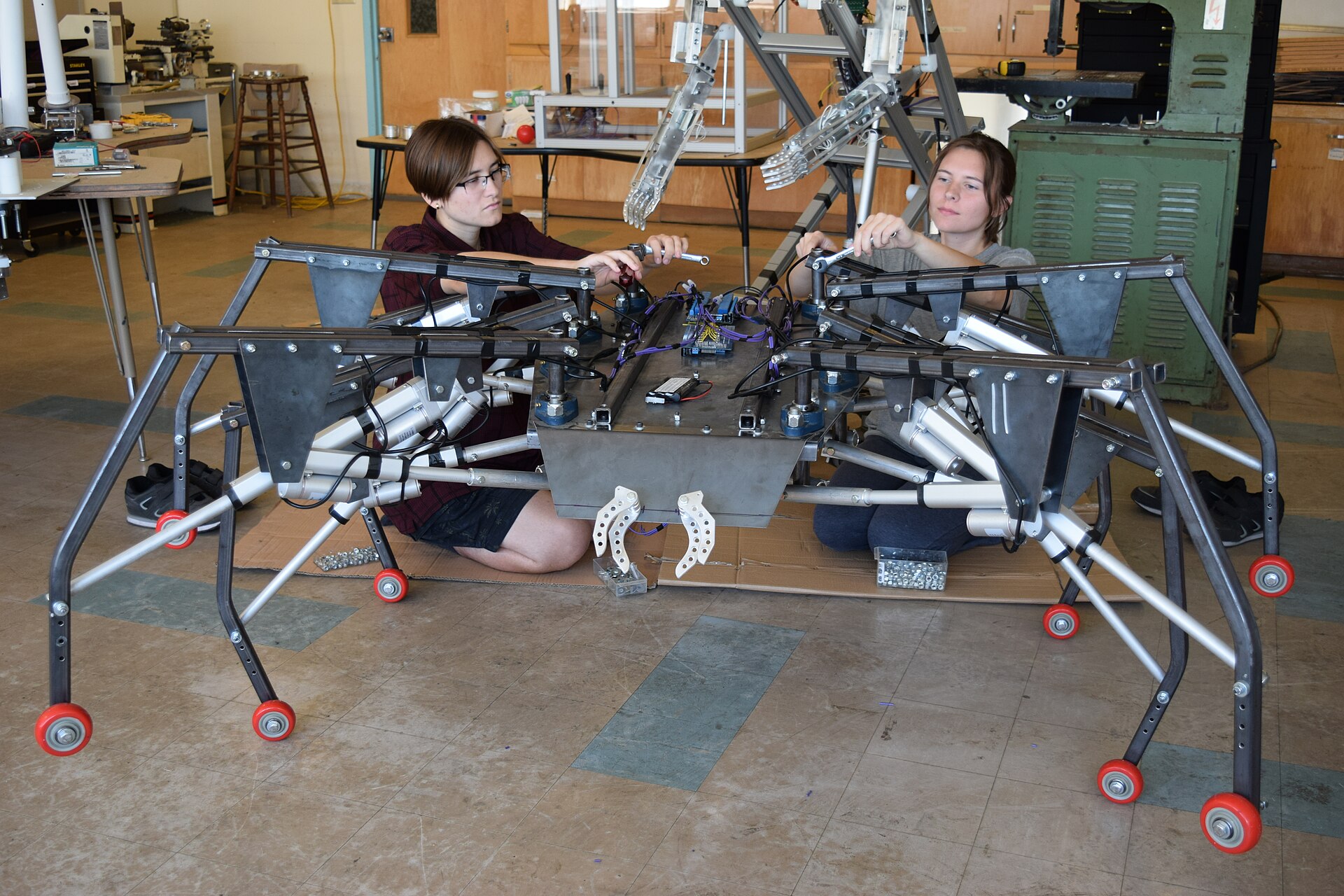
Sisters Aurora and Autumn Siegel, the youngest members of the MRISAR R&D team, began their apprenticeship in Robotics as preschoolers. They are seen here helping to complete a hand crafted 7’ wide, giant interactive, mobile robotic spider between other workshop robotics projects and machine shop equipment. This bio-inspired robotic spider is a device created for public use in museum environments to help educate millions of people worldwide and is a good example of bio-mimicry. The Robotic spider was designed by MRISAR’s R&D team and fabricated at MRISAR, a family owned business in North Dakota. The team goals are humanitarian and educational uses for science, art & technology. The devices created at the labs and workshops are unique in the fact that they are handcrafted, not mass produced. This allows the creative team to create across a wide range of technologies, applications and elements of science and art. Everything from MRISAR is designed and prototyped by two generations of 4 family members, the youngest two Autumn and Aurora Siegel, along with their parents John Siegel and Victoria Lee Croasdell-Siegel. The public use robotic exhibits they create for museums and science centers around the world relate to STEM and STEAM. This two generation team has even invented robotic systems for NASA. Science in combination with art relate to a better understanding of engineering and technology which can be used to develop devices that enrich education and save lives. Creating handcrafted elements of engineering based on bio-inspired elements and abstract reasoning is a way to use the creation of such devices to explore how nature develops engineered creative aspects that humanity can use. Such devices can serve as valuable elements of education and research to be used to develop devices that can save people from disasters, preform special industrial tasks and in other unique uses. From a technical vantage this specific device combines electromechanical and mechanical engineered elements with travel limits and Boolean logic to achieve a goal of creating systems that can instantly adapt to their surroundings. Other key elements are observations of design standards such as compensation for mechanical shock load, derating electrical, derating mechanical, derating electronic and mechanical elements, analysis of materials, weight distribution and comparisons to human arm operating degrees of freedom. Great care must be taken in design, development and testing. Just one error in design or logic parameters and a device that weighs hundreds of pounds, and made with thousands of parts can come dramatically crashing to the ground. Preliminary tests are therefore done while the device is fully supported on pedestals or with support lines. More images of the creation of this and other MRISAR robotic devices can be seen at mrisar.org. The work of MRISAR’s R&D team has drawn world interest for their public-use educational robotic exhibits prototypes and also for their humanitarian R&D that aims to improve the quality of life. Their work has been presented before and/or published and awarded by: the United Nations, NASA-Emhart, Stanford, Cambridge, ICORR Robotics conferences, ROMAN Robotics conferences, IEEE, Discover Awards, International Federation of Robotics, etc. The “International Federation of Robotics” annual publication on Service Robotics regularly lists MRISAR Institute of Science, Art & Robotics in at least ten categories of robotics. The publication covers major contributors in the field of robotics and within that coverage focuses on the diversity of robotics, worldwide uses for robotics, economic factors and projections. Most are industrial providers, but the publication also includes NASA and other renowned research elements that reach well beyond industrial applications. In the 2011 publication MRISAR was featured in an entire chapter. The publication picks one per year for special focus in a chapter and covers a multitude of ventures in the rest of the document.

Facebook community

Join the PROBA Professional Business Analysts community.

Follow the Page and take part ↗

Current edition

Ideas, people and practical ways forward.

Dr. Pisso Nseke, Cameroon, 2020

Feature 01

Origins and context

An independent editorial publication connected with the PROBA Professional Business Analysts Facebook community. This feature looks beyond the headline and asks what the idea means in lived experience.
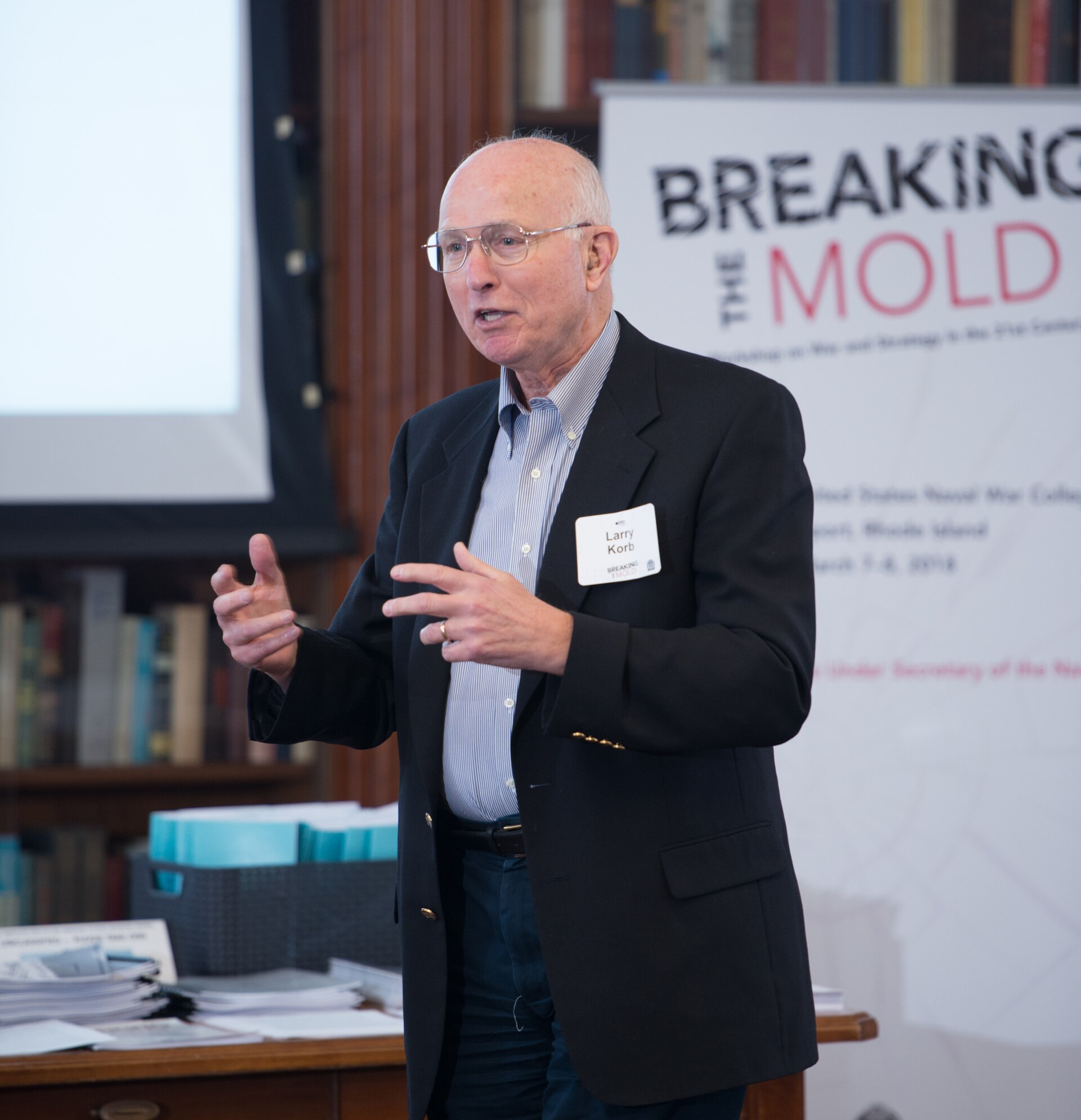
180308-N-FC129-106 Newport, R.I. (March 8, 2018) Dr. Lawrence Korb, Sr., Senior Fellow, Center for American Progress addresses attendees of "Breaking the Mold; A Workshop on War and Strategy in the 21st Century" held in Newport, Rhode Island. The purpose for the two-day workshop, sponsored by the Under Secretary of the Navy, is to engage top minds within the U.S. Navy and private sector academic and business partners on ways to address future scenarios U.S. Military forces may face based upon current and emerging technology and new concepts in maritime and conventional warfare. The workshop will focus leaders to engage on a myriad of concepts and scenarios meant to push conversation, dialog, and analysis of ideas and thoughts outside conventional molds in an effort to stretch and expand strategic and operational mindsets. (U.S. Navy photo by Edwin L. Wriston/Released)

Feature 02

People and perspectives

An independent editorial publication connected with the PROBA Professional Business Analysts Facebook community. This feature looks beyond the headline and asks what the idea means in lived experience.
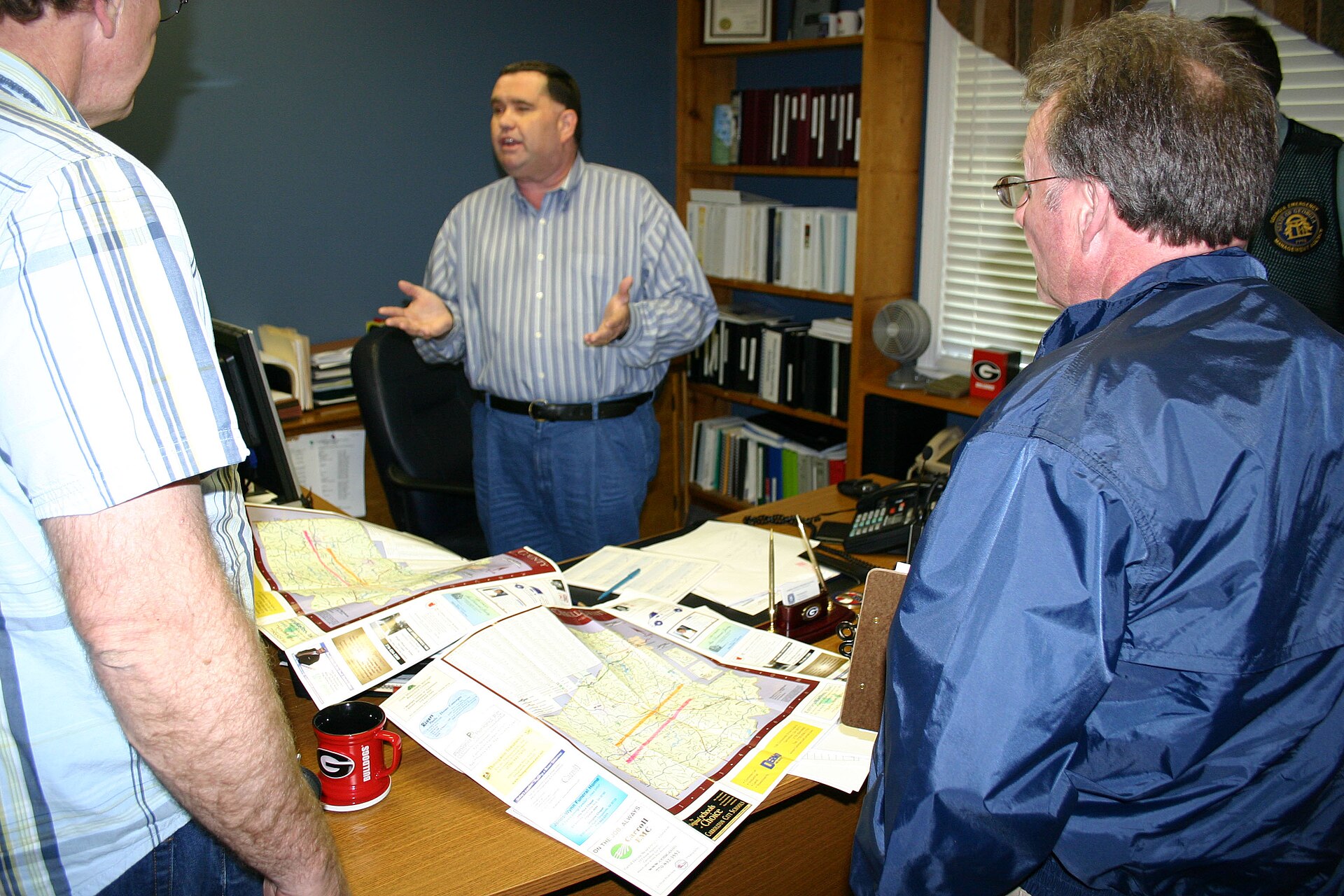
Carroll County, GA, May 12, 2008 -- Members of a Preliminary Damage Assessment Team review maps before heading out to survey areas in Georgia hit by severe storms and tornadoes May 11. Carroll County Emergency Management Agency Director Tim Padgett, center, briefs participants from the state, FEMA and SBA. FEMA/Jeff Welsh

Feature 03

Practical action

An independent editorial publication connected with the PROBA Professional Business Analysts Facebook community. This feature looks beyond the headline and asks what the idea means in lived experience.
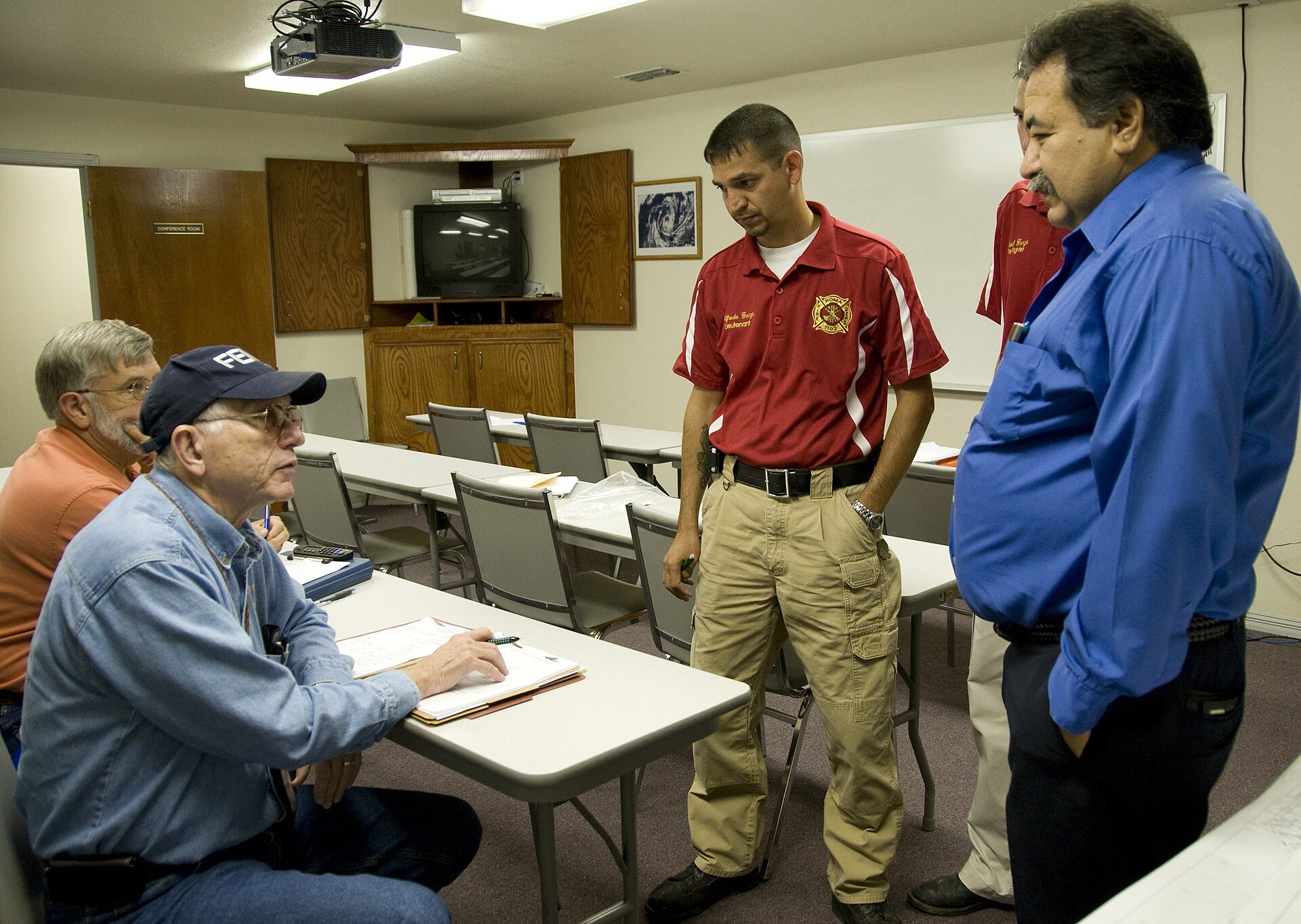
Roma, TX, August 22, 2008 -- Members of the FEMA PDA team talk with City officials about flood damage that occurred following torrential rain that flooded Roma, TX. The PDA team included a FEMA specialist and representatives from SBA and the state of Texas who walked through areas of the town that were flooded. Photo by Patsy Lynch/FEMA

Feature 04

Origins and context

An independent editorial publication connected with the PROBA Professional Business Analysts Facebook community. This feature looks beyond the headline and asks what the idea means in lived experience.
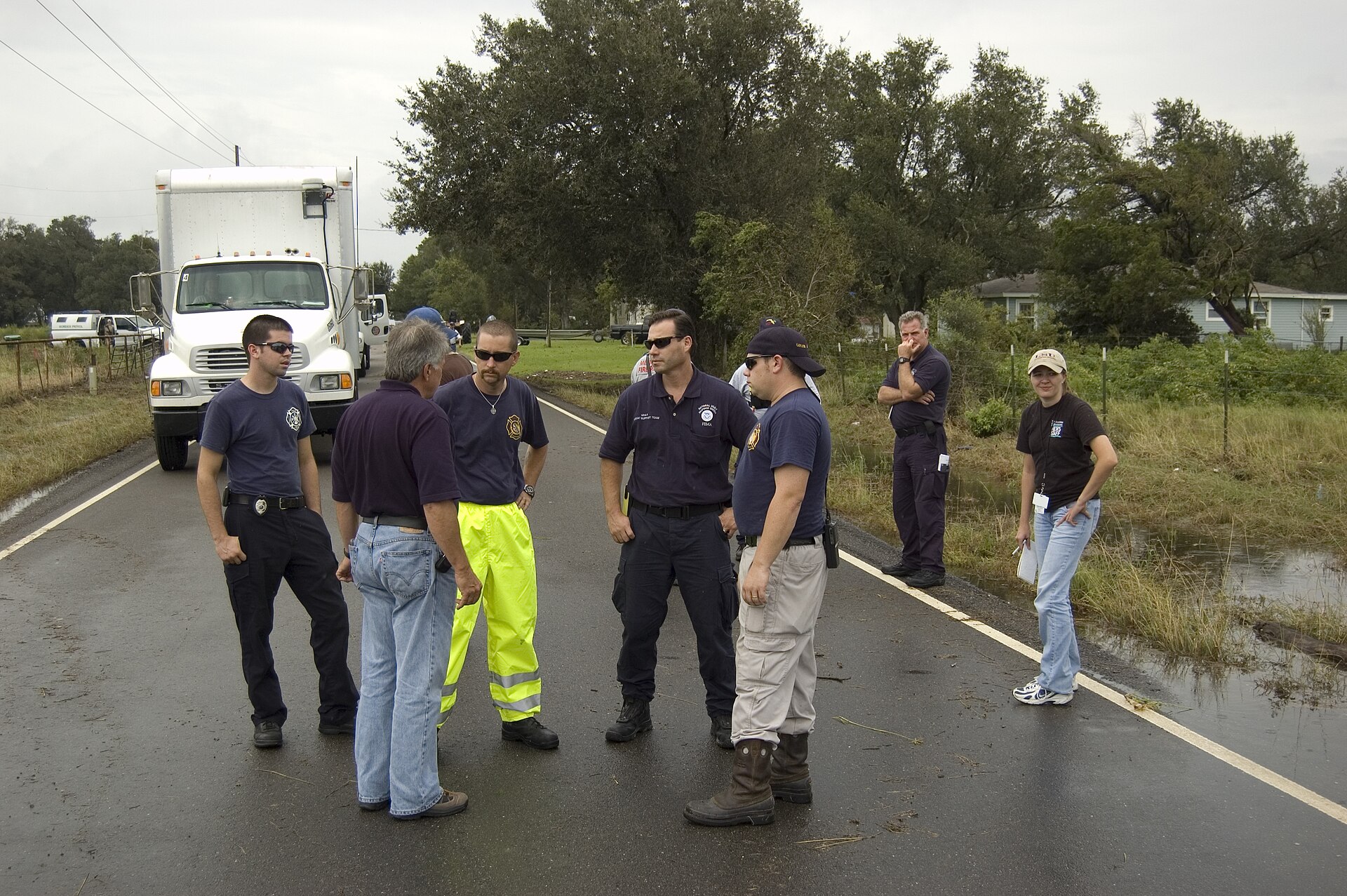
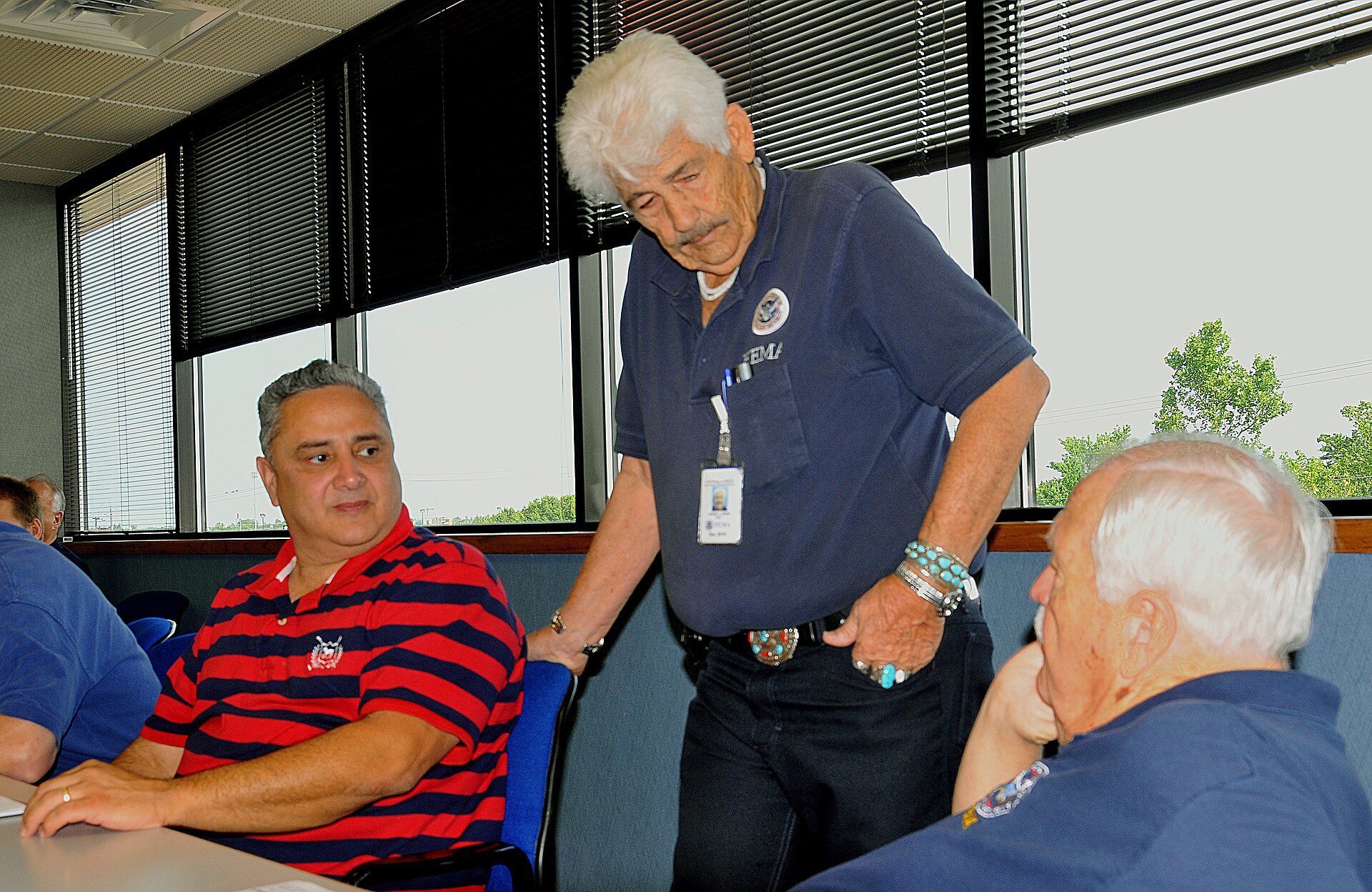
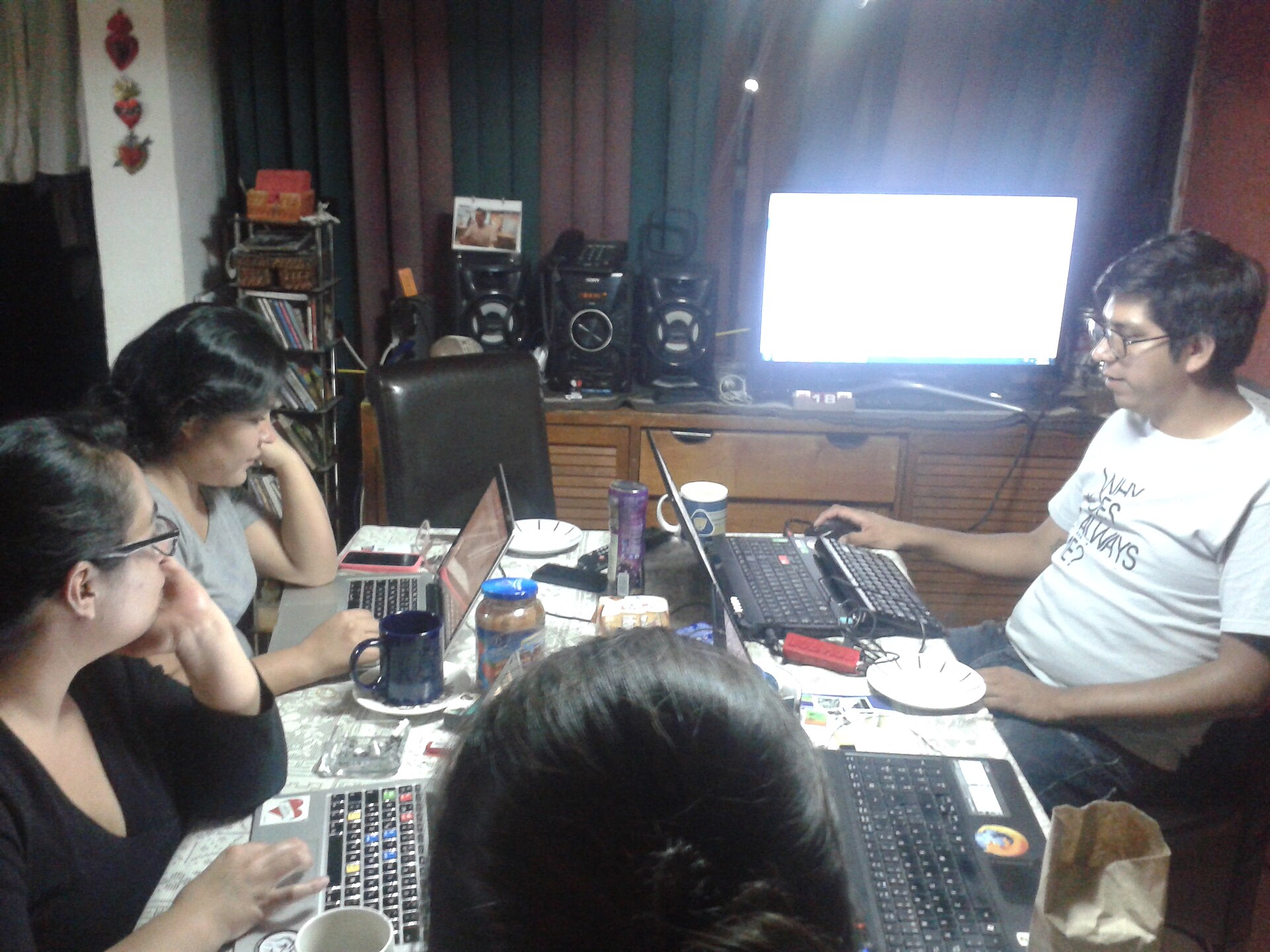
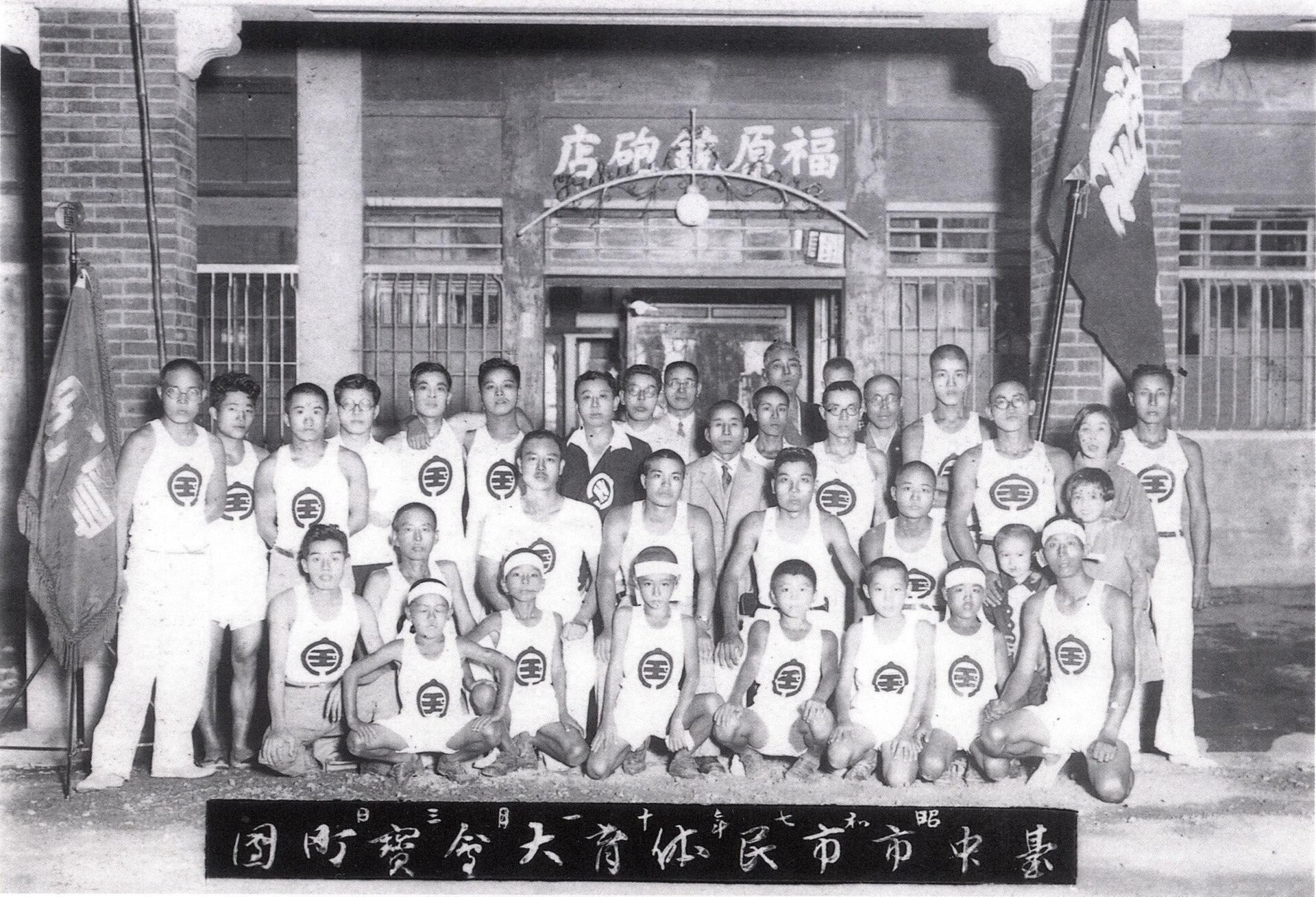
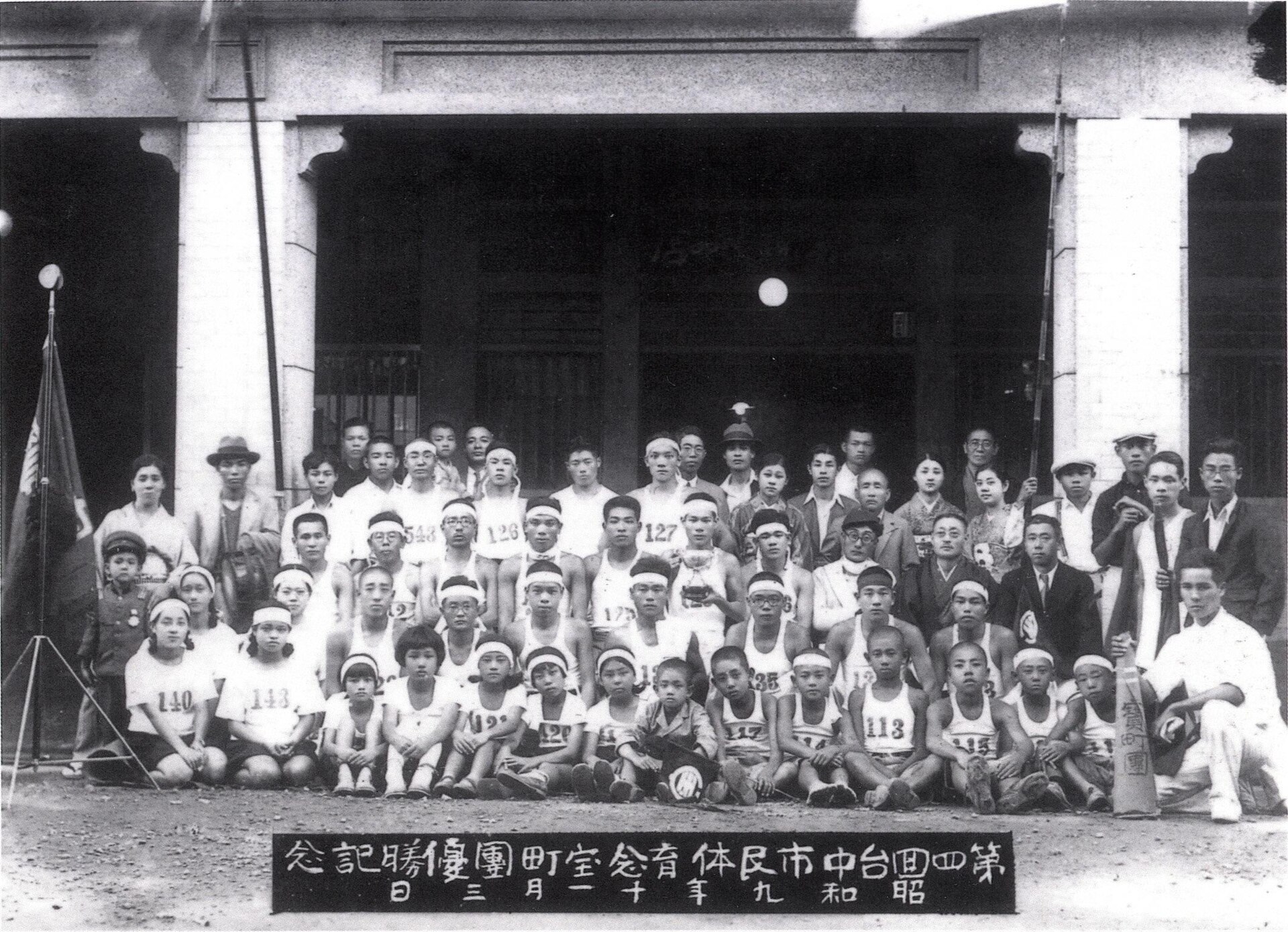
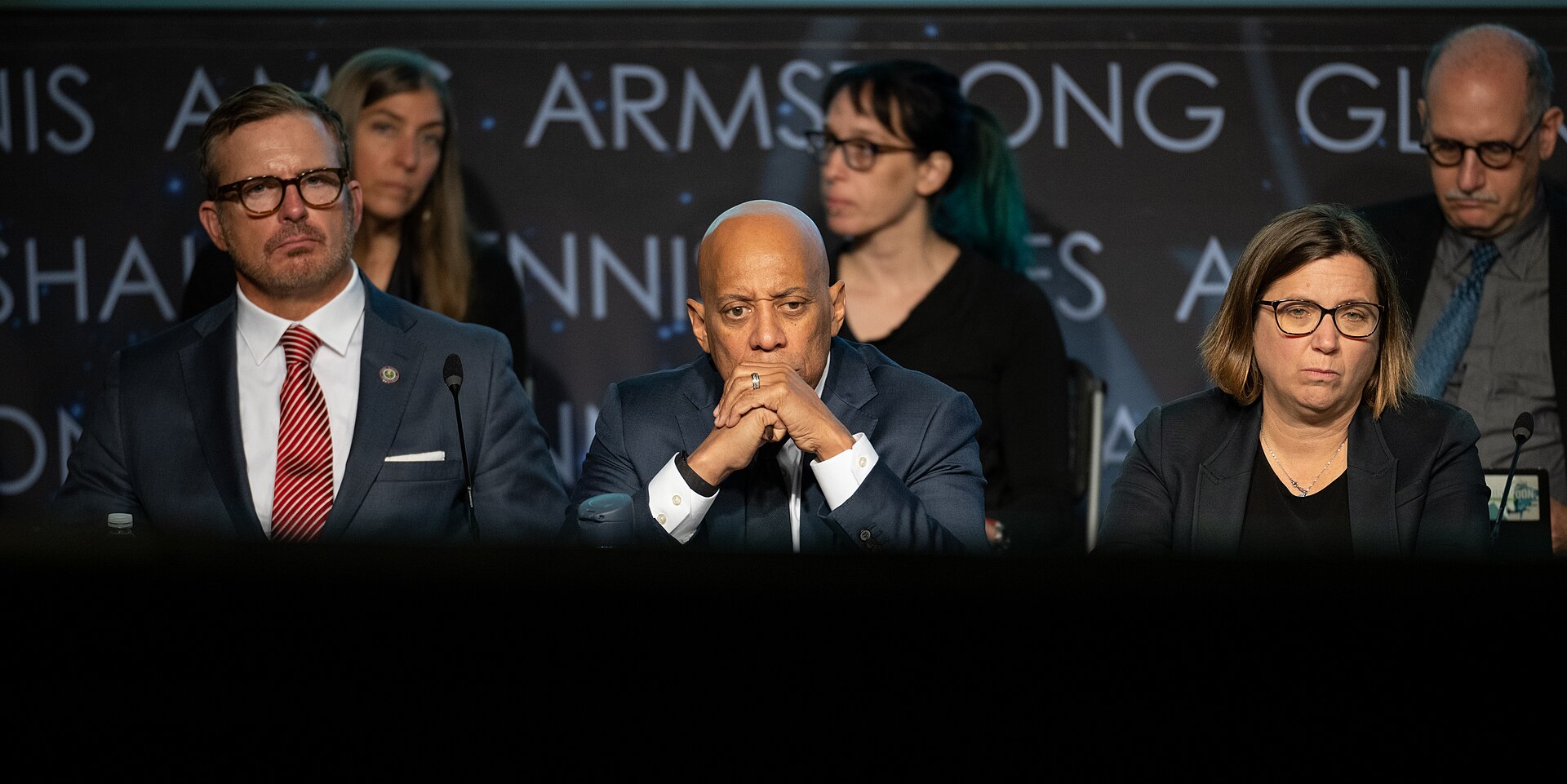
Lake Charles, LA, September 14, 2008 -- Urban Search and Rescue (USAR) teams discuss rescue efforts in Calcasieu Parish with FEMA PIO Jack Heesch . Calvin Tolleson/FEMAMoore, OK, May 25, 2010 -- Three members of a local/county/state/federal Preliminary Damage Assessment team (left to right) - Sam Talamantez, Oklahoma Office of Emergency Management; Ron Crow, FEMA public assistance officer and Rex Rudy, FEMA's debris management officer - discuss the areas they will look at and document damages for a tornado that struck the area on May 10. Public properties in the eastern half of the state swept by 22 confirmed tornadoes experienced damages from these severe storms. FEMA Photo by Win HendersonWikimania 2015 team meeting 2015-04-18​臺中市寶町(二戰後市府路周圍地區)居民組團參加市民體育大會合影留念。​臺中市寶町(二戰後市府路周圍地區)居民組團參加市民體育大會合影留念。Warren Randolph, deputy executive director of the Accident Investigation and Prevention for Aviation Safety at the FAA, left, Reggie Brothers, operating partner at AE Industrial Partners, center, and Shelley Wright, professor of Physics at the University of California San Diego's Center for Astrophysics and Space Studies, right, are seen during a public meeting of NASA’s unidentified anomalous phenomena (UAP) independent study team, Wednesday, May 31, 2023 at the Mary W. Jackson NASA Headquarters building in Washington. The UAP independent study team is a counsel of 16 community experts across diverse areas on matters relevant to potential methods of study for unidentified anomalous phenomena. NASA commissioned the nine-month study to examine UAP from a scientific perspective and create a roadmap for how to use data and the tools of science to move our understanding of UAP forward. Photo Credit: (NASA/Joel Kowsky)

From the editor

Depth before speed.

This publication connects the immediacy of a Facebook community with the permanence of a carefully edited website. The aim is to preserve useful context, make room for longer reading and give important ideas a home beyond the social feed.

Images are selected for relevance and dignity. Factual claims should be checked against current primary sources, while community stories remain clearly identified as experience rather than universal proof.