PROBA Professional Business Analysts

Independent magazine · Facebook community

PROBA Professional Business Analysts

An independent editorial publication connected with the PROBA Professional Business Analysts Facebook community.

Read the magazine
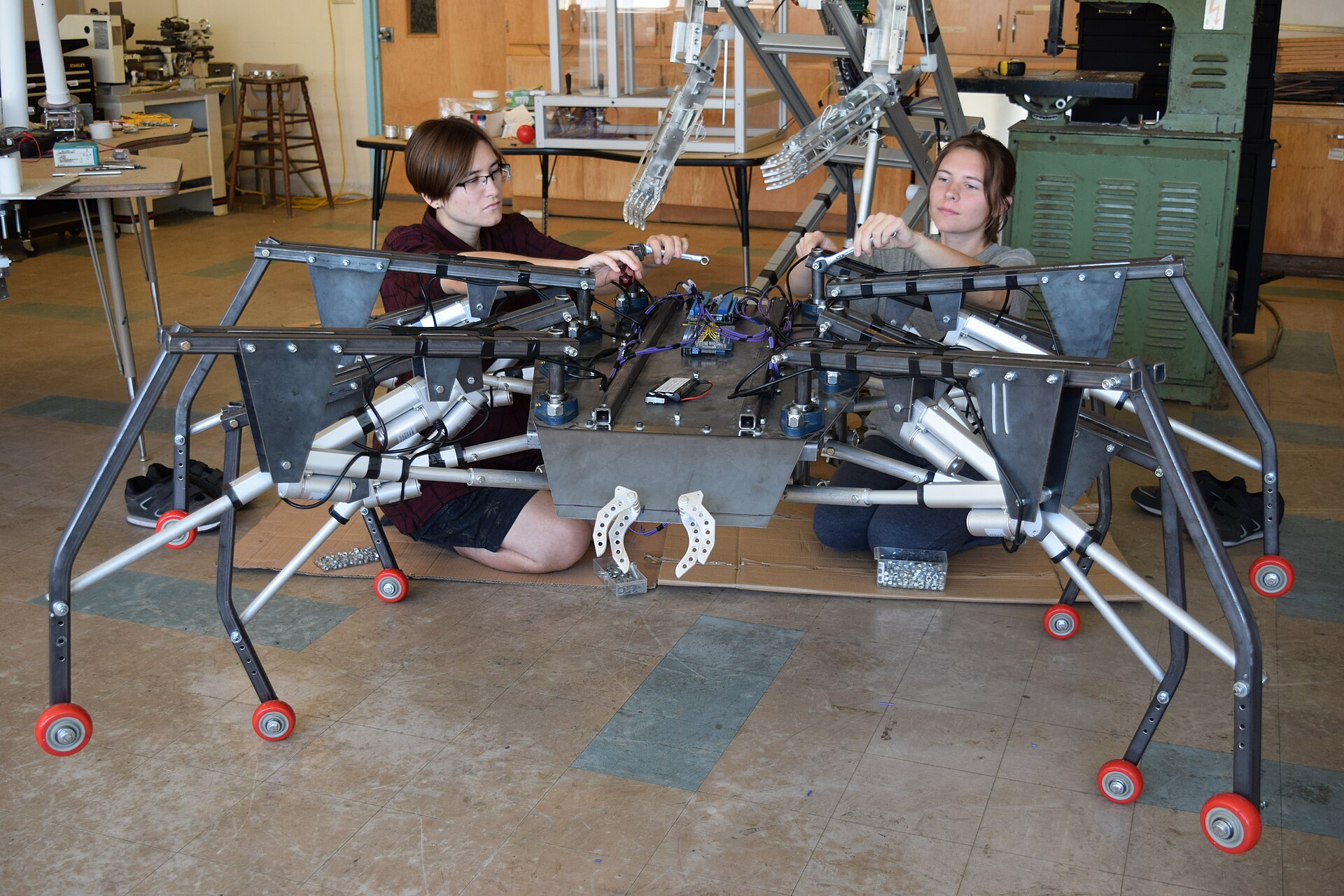
Two students are working on a hexapod robot as part of an engineering project, showcasing innovation in robotics.
Sisters Aurora and Autumn Siegel, the youngest members of the MRISAR R&D team, began their apprenticeship in Robotics as preschoolers. They are seen here helping to complete a hand crafted 7’ wide, giant interactive, mobile robotic spider between other workshop robotics projects and machine shop equipment. This bio-inspired robotic spider is a device created for public use in museum environments to help educate millions of people worldwide and is a good example of bio-mimicry. The Robotic spider was designed by MRISAR’s R&D team and fabricated at MRISAR, a family owned business in North Dakota. The team goals are humanitarian and educational uses for science, art & technology. The devices created at the labs and workshops are unique in the fact that they are handcrafted, not mass produced. This allows the creative team to create across a wide range of technologies, applications and elements of science and art. Everything from MRISAR is designed and prototyped by two generations of 4 family members, the youngest two Autumn and Aurora Siegel, along with their parents John Siegel and Victoria Lee Croasdell-Siegel. The public use robotic exhibits they create for museums and science centers around the world relate to STEM and STEAM. This two generation team has even invented robotic systems for NASA. Science in combination with art relate to a better understanding of engineering and technology which can be used to develop devices that enrich education and save lives. Creating handcrafted elements of engineering based on bio-inspired elements and abstract reasoning is a way to use the creation of such devices to explore how nature develops engineered creative aspects that humanity can use. Such devices can serve as valuable elements of education and research to be used to develop devices that can save people from disasters, preform special industrial tasks and in other unique uses. From a technical vantage this specific device combines electromechanical and mechanical engineered elements with travel limits and Boolean logic to achieve a goal of creating systems that can instantly adapt to their surroundings. Other key elements are observations of design standards such as compensation for mechanical shock load, derating electrical, derating mechanical, derating electronic and mechanical elements, analysis of materials, weight distribution and comparisons to human arm operating degrees of freedom. Great care must be taken in design, development and testing. Just one error in design or logic parameters and a device that weighs hundreds of pounds, and made with thousands of parts can come dramatically crashing to the ground. Preliminary tests are therefore done while the device is fully supported on pedestals or with support lines. More images of the creation of this and other MRISAR robotic devices can be seen at mrisar.org. The work of MRISAR’s R&D team has drawn world interest for their public-use educational robotic exhibits prototypes and also for their humanitarian R&D that aims to improve the quality of life. Their work has been presented before and/or published and awarded by: the United Nations, NASA-Emhart, Stanford, Cambridge, ICORR Robotics conferences, ROMAN Robotics conferences, IEEE, Discover Awards, International Federation of Robotics, etc. The “International Federation of Robotics” annual publication on Service Robotics regularly lists MRISAR Institute of Science, Art & Robotics in at least ten categories of robotics. The publication covers major contributors in the field of robotics and within that coverage focuses on the diversity of robotics, worldwide uses for robotics, economic factors and projections. Most are industrial providers, but the publication also includes NASA and other renowned research elements that reach well beyond industrial applications. In the 2011 publication MRISAR was featured in an entire chapter. The publication picks one per year for special focus in a chapter and covers a multitude of ventures in the rest of the document.

Facebook community

Join the PROBA Professional Business Analysts community.

Follow the Page and take part ↗

Current edition

Ideas, people and practical ways forward.

A man in a blue suit and tie poses for a professional portrait of Dr. Pisso Nseke.

Feature 01

Origins and context

An independent editorial publication connected with the PROBA Professional Business Analysts Facebook community. This feature looks beyond the headline and asks what the idea means in lived experience.
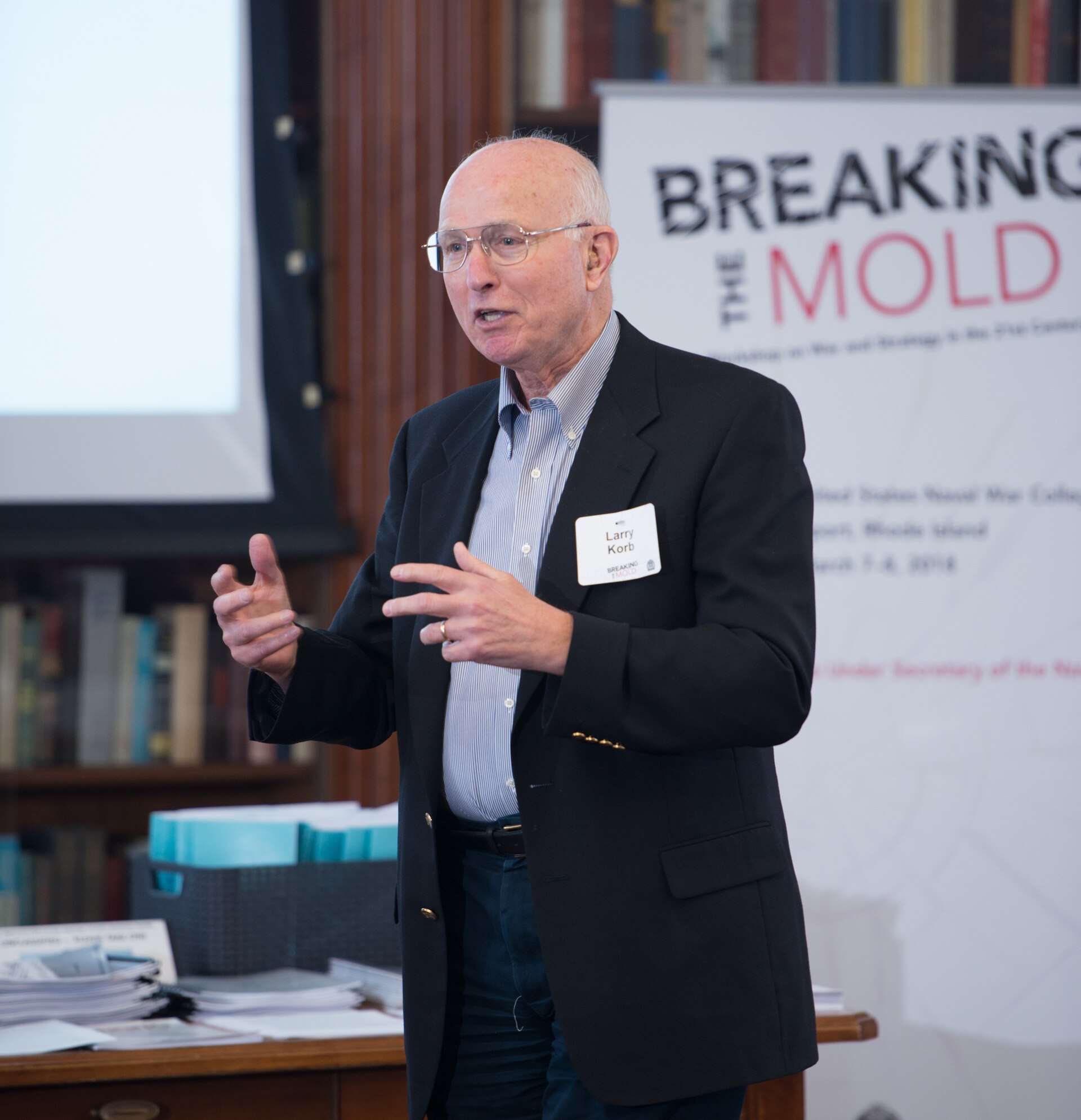
Larry Korb speaks at a conference, sharing business analysis insights.

Feature 02

People and perspectives

An independent editorial publication connected with the PROBA Professional Business Analysts Facebook community. This feature looks beyond the headline and asks what the idea means in lived experience.
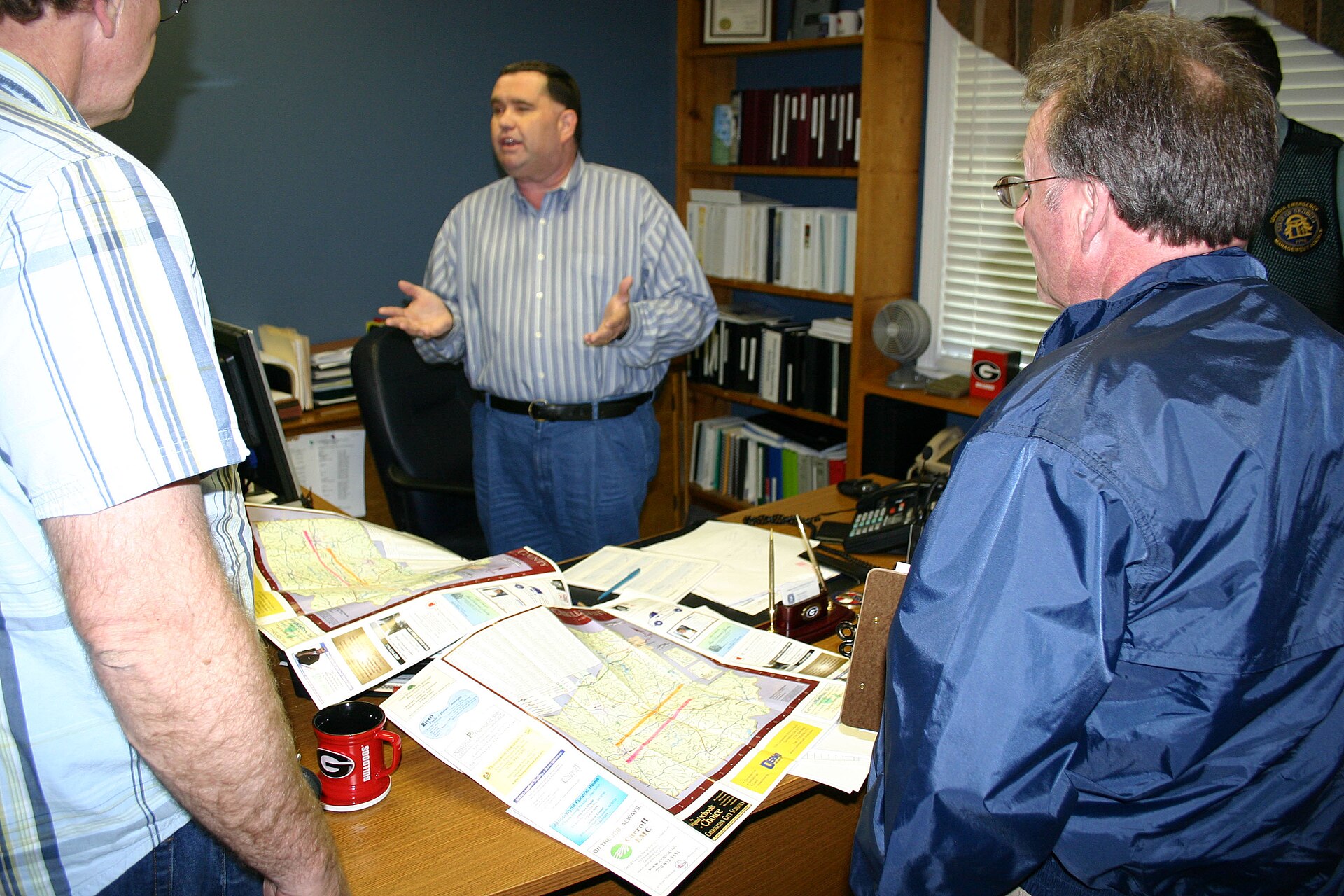
Three men discuss maps and documents at a desk, illustrating practical action in business analysis.

Feature 03

Practical action

An independent editorial publication connected with the PROBA Professional Business Analysts Facebook community. This feature looks beyond the headline and asks what the idea means in lived experience.
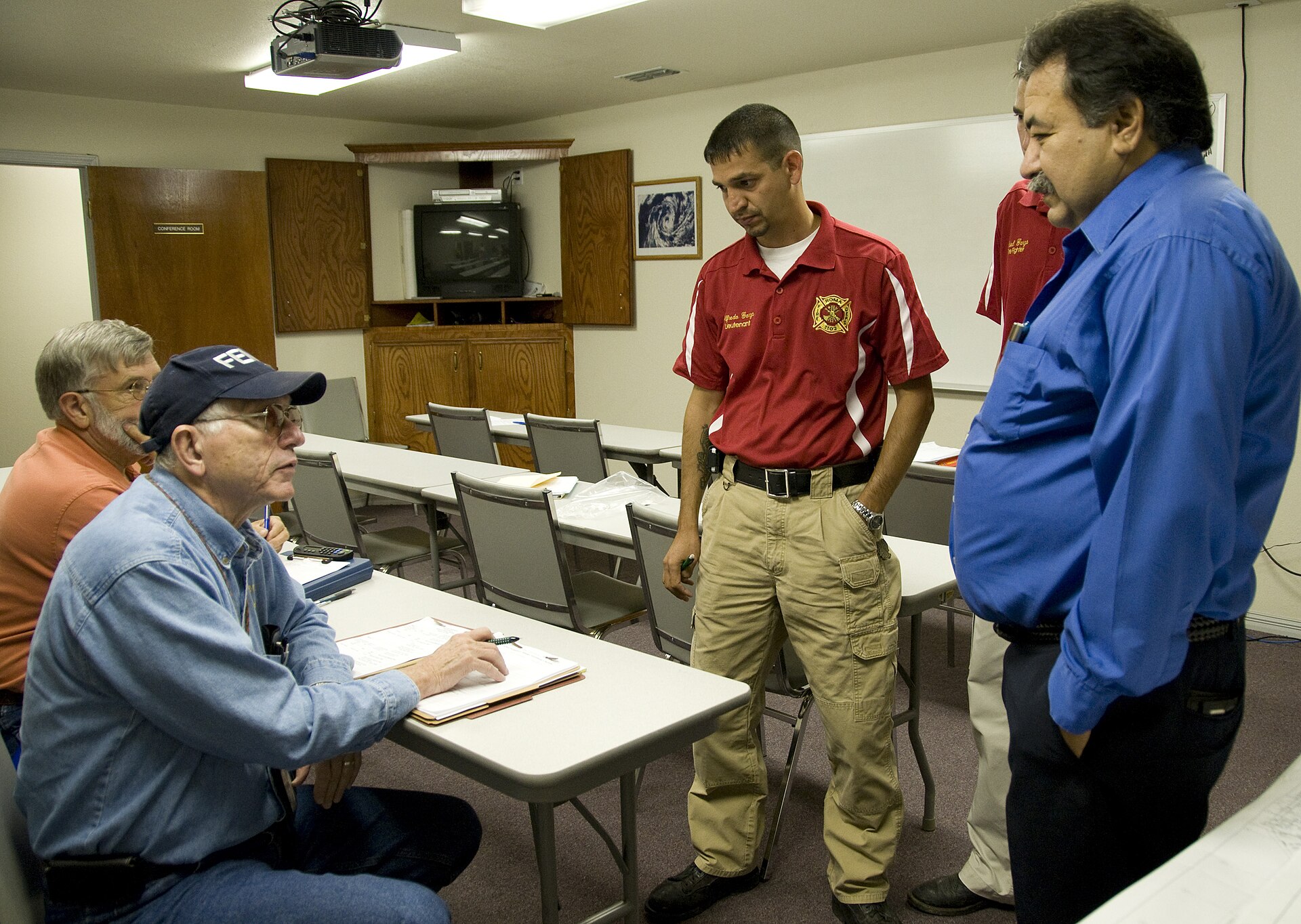
A FEMA team discusses flood damage with city officials after heavy rainfall in Roma, Texas.

Feature 04

Origins and context

An independent editorial publication connected with the PROBA Professional Business Analysts Facebook community. This feature looks beyond the headline and asks what the idea means in lived experience.
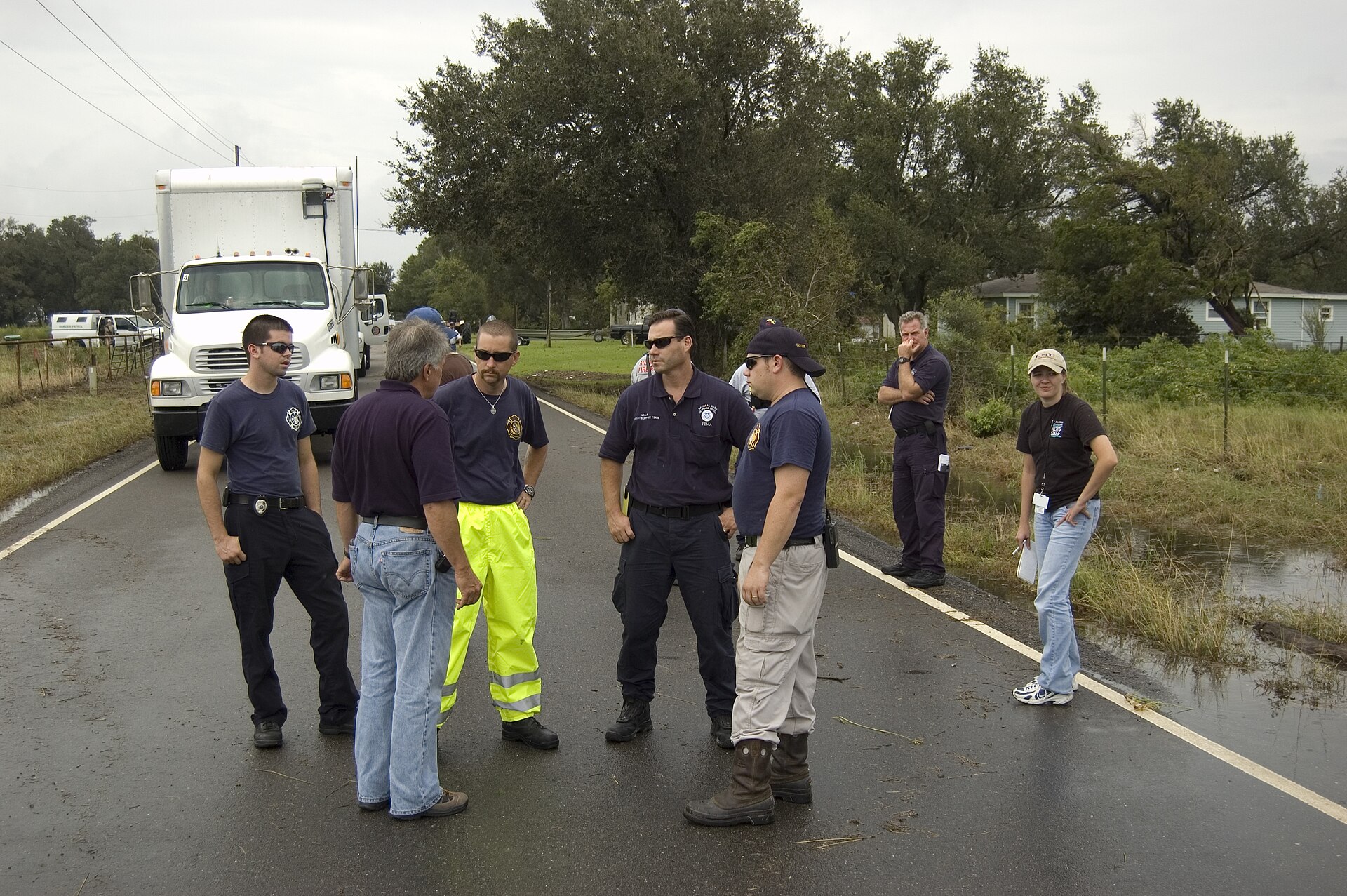
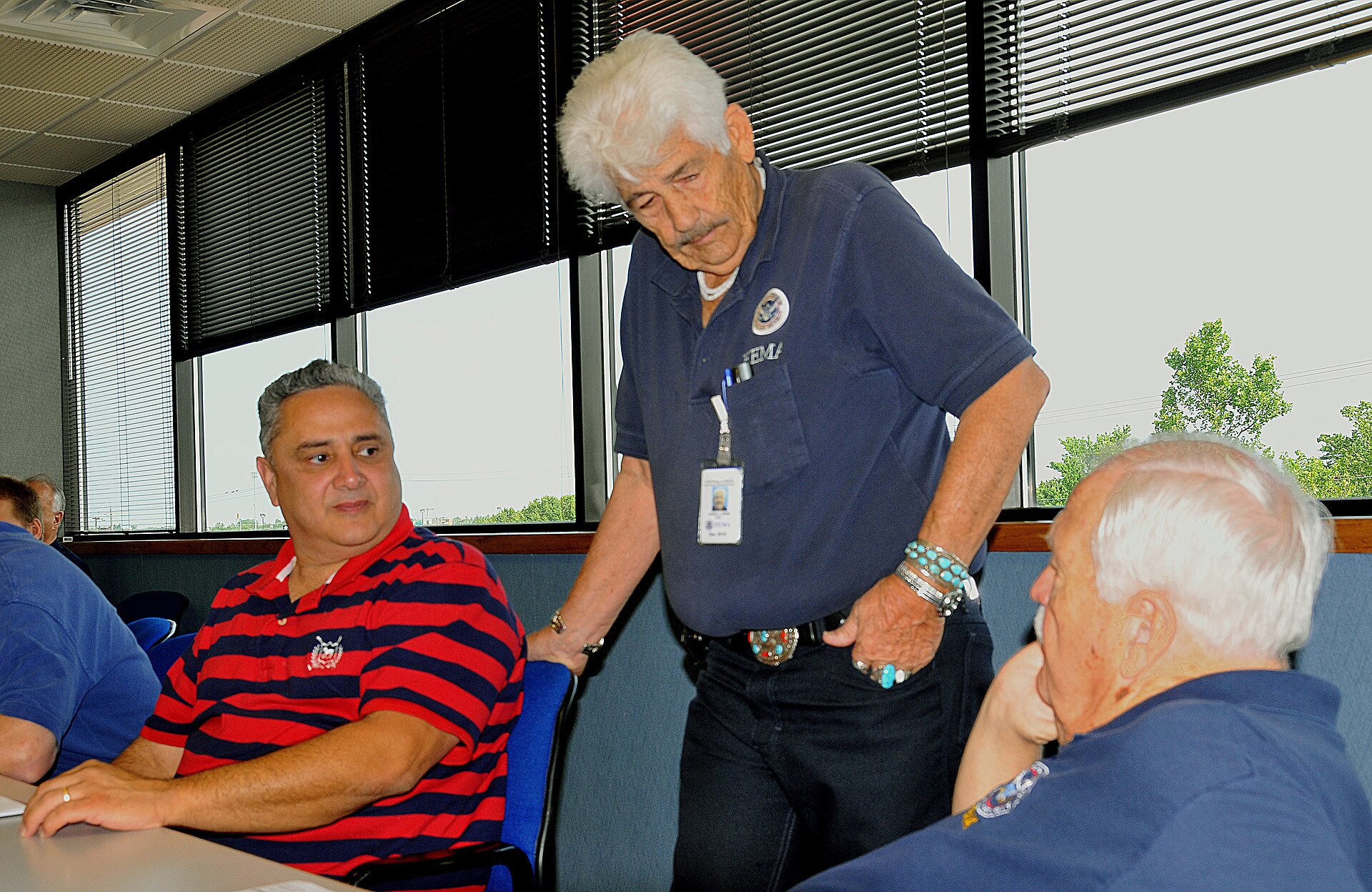
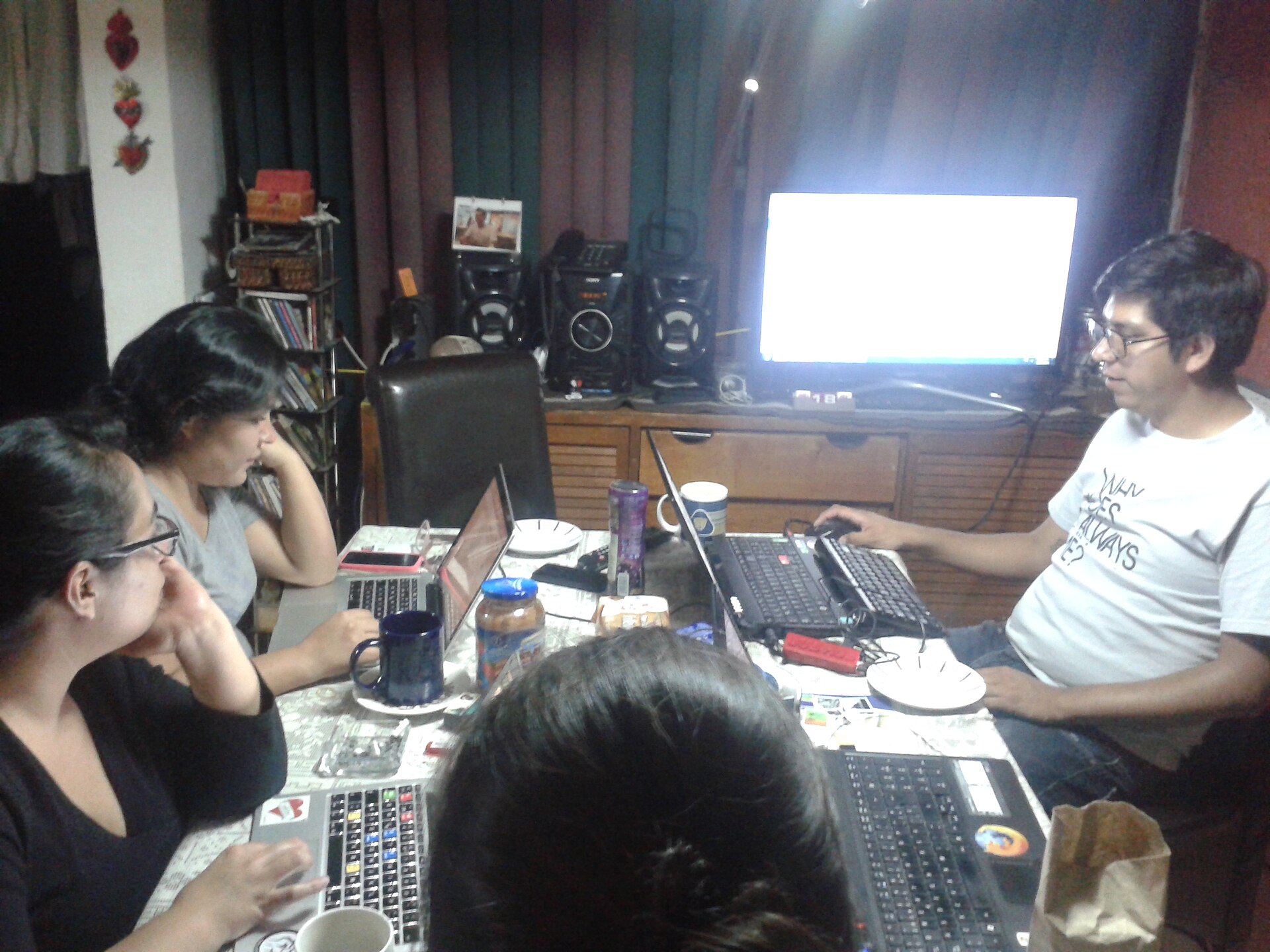
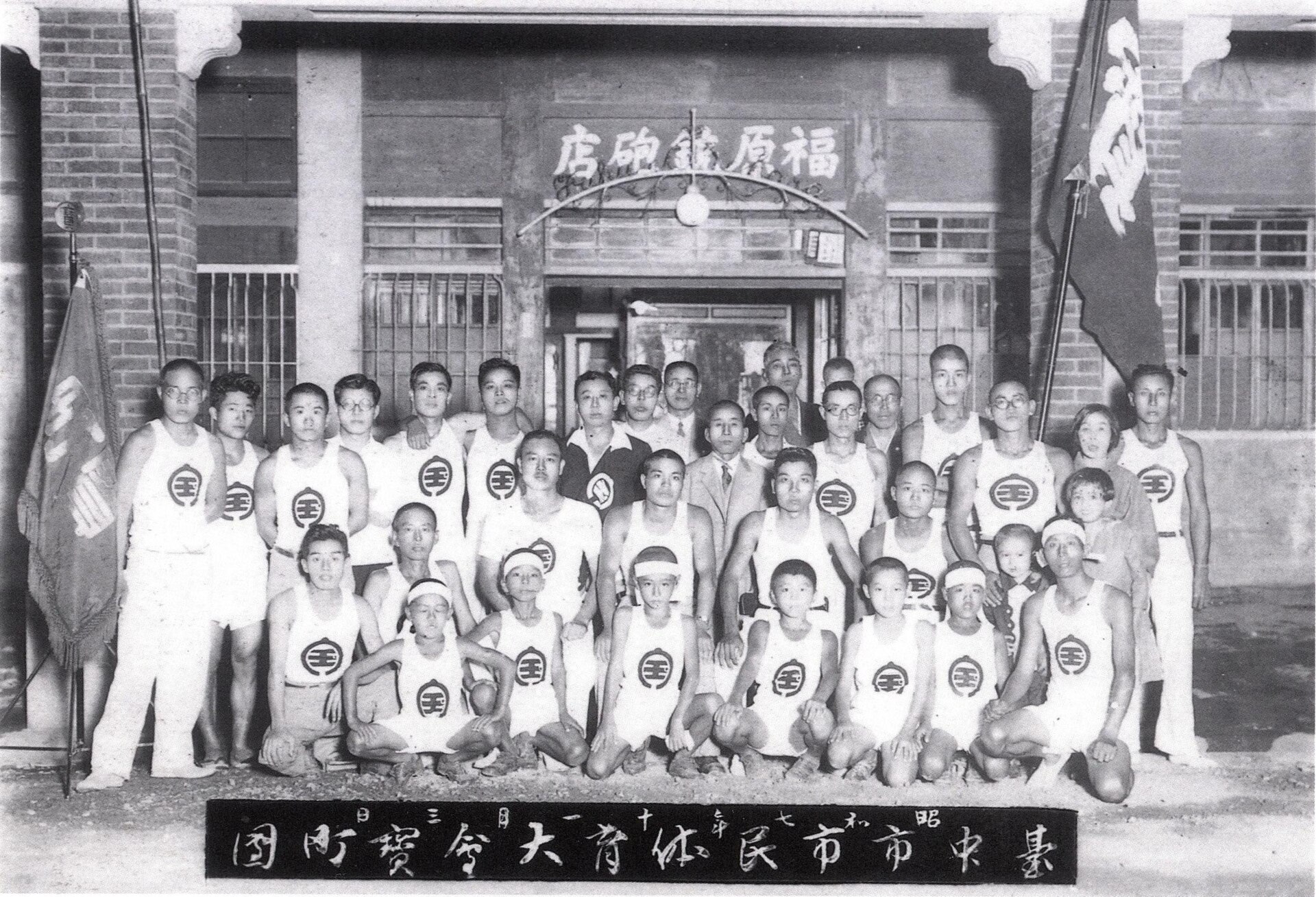
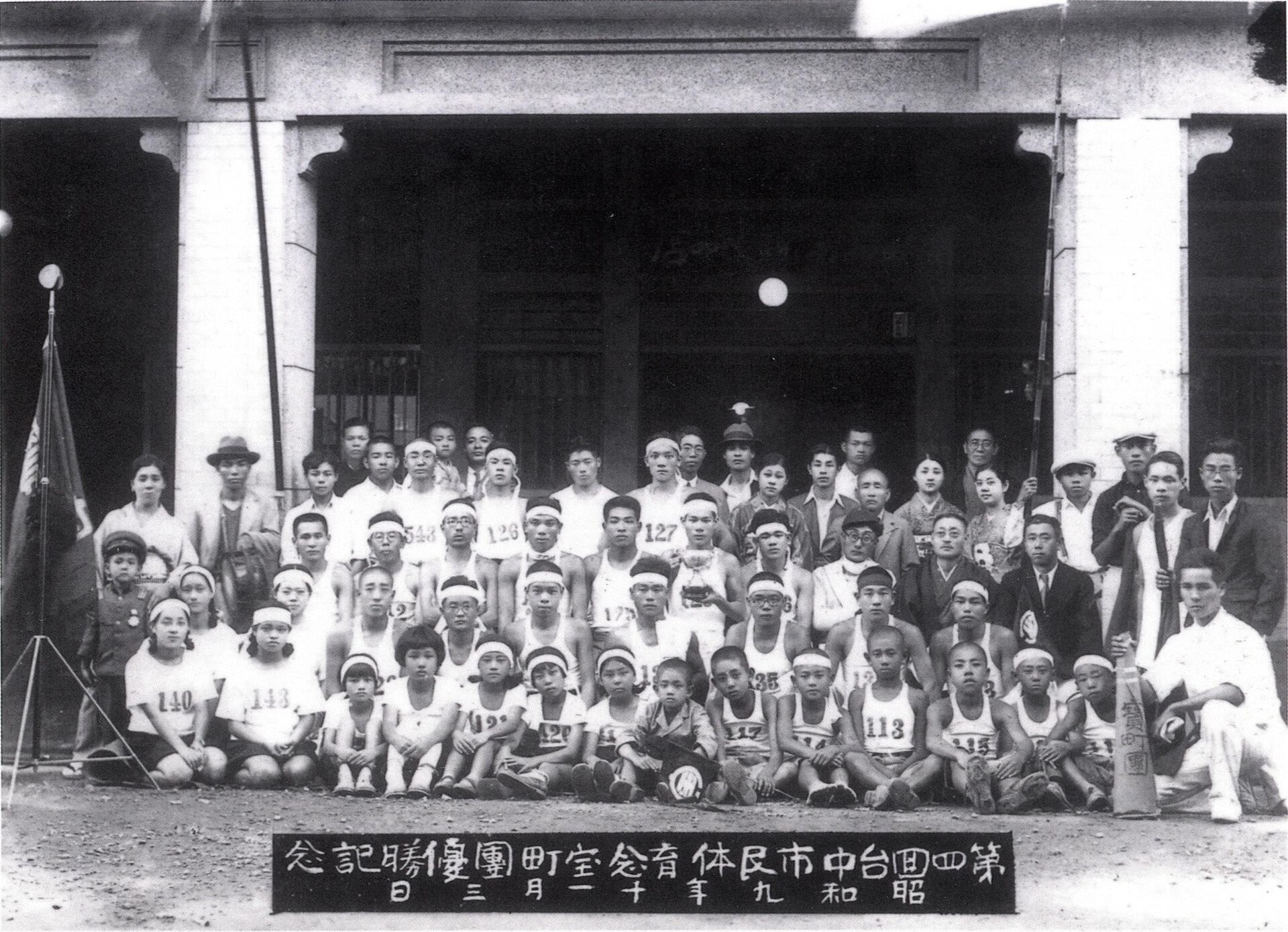
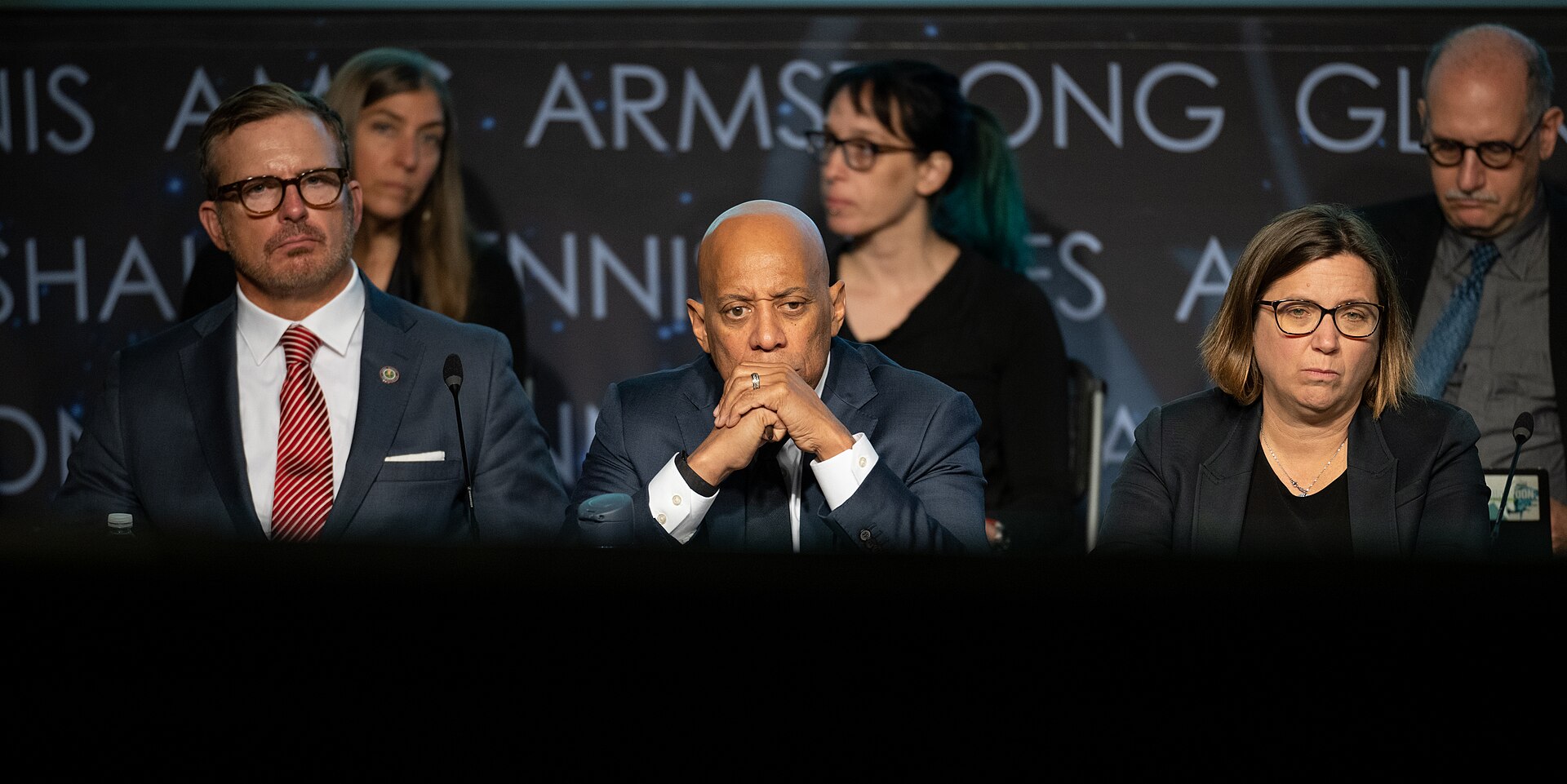
Emergency responders discuss a situation near flooded roads and vehicles, highlighting the importance of disaster recovery.FEMA personnel discuss disaster assessment with colleagues in an office setting, supporting business analysis efforts.A team meeting shows people collaborating with laptops, representing community discussion and business analysis.A vintage team photo shows a group of young men in athletic uniforms, illustrating historical context.A large group poses outdoors in front of a building circa 1920, illustrating historical context.Joe Biden and government officials attend a conference, discussing policy and industry insights.

From the editor

Depth before speed.

This publication connects the immediacy of a Facebook community with the permanence of a carefully edited website. The aim is to preserve useful context, make room for longer reading and give important ideas a home beyond the social feed.

Images are selected for relevance and dignity. Factual claims should be checked against current primary sources, while community stories remain clearly identified as experience rather than universal proof.